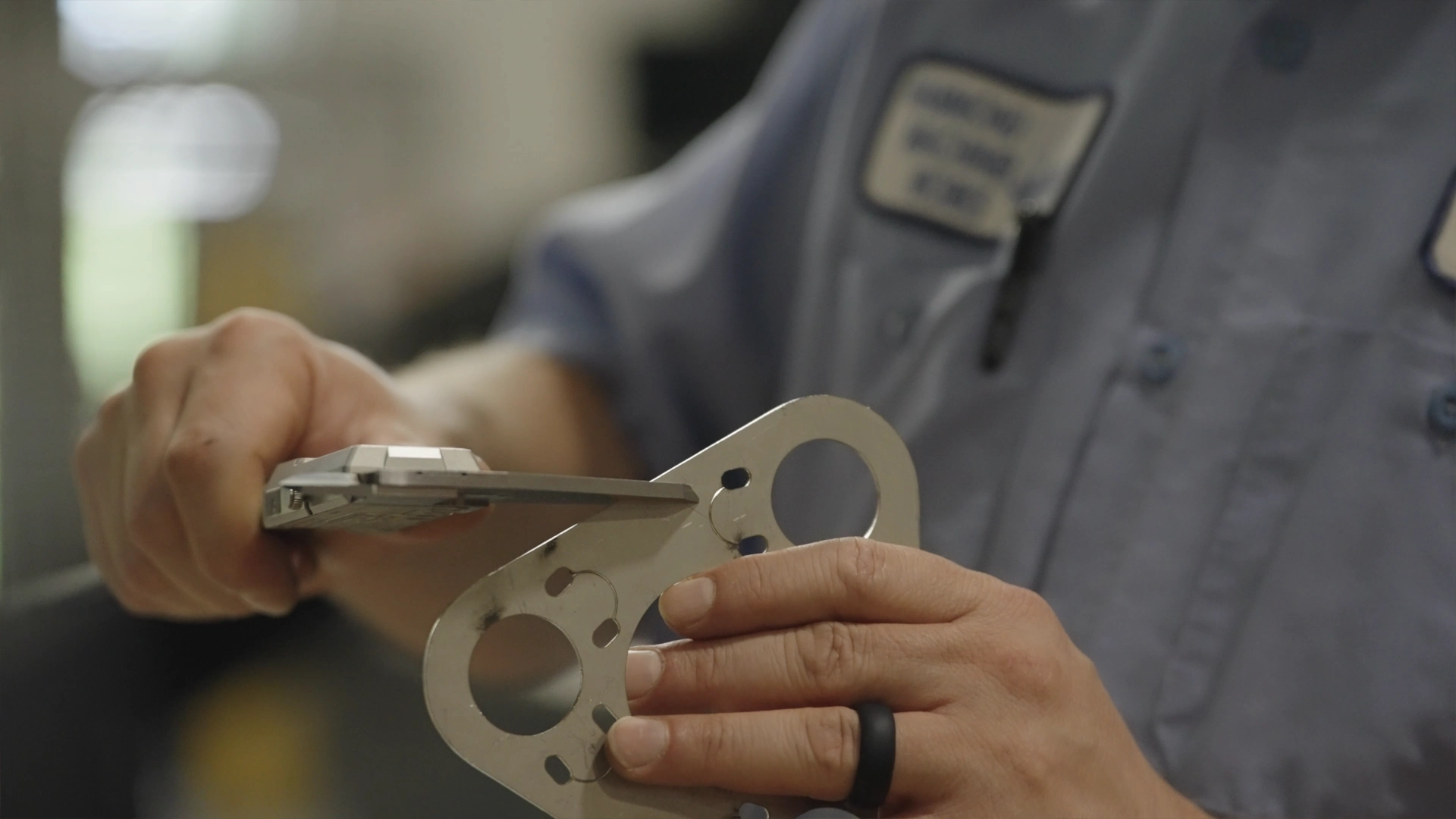
Fiber laser cutting has become the reference technology for modern sheet metal fabrication. Its widespread adoption is driven by one core advantage: it delivers higher productivity at lower operating cost while maintaining exceptional precision and reliability.
By efficiently converting electrical energy into a focused laser beam, fiber lasers outperform traditional cutting technologies in speed, energy efficiency, and process stability. Combined with compact machine design and minimal maintenance requirements, this makes fiber laser systems the preferred choice across a wide range of metalworking industries.
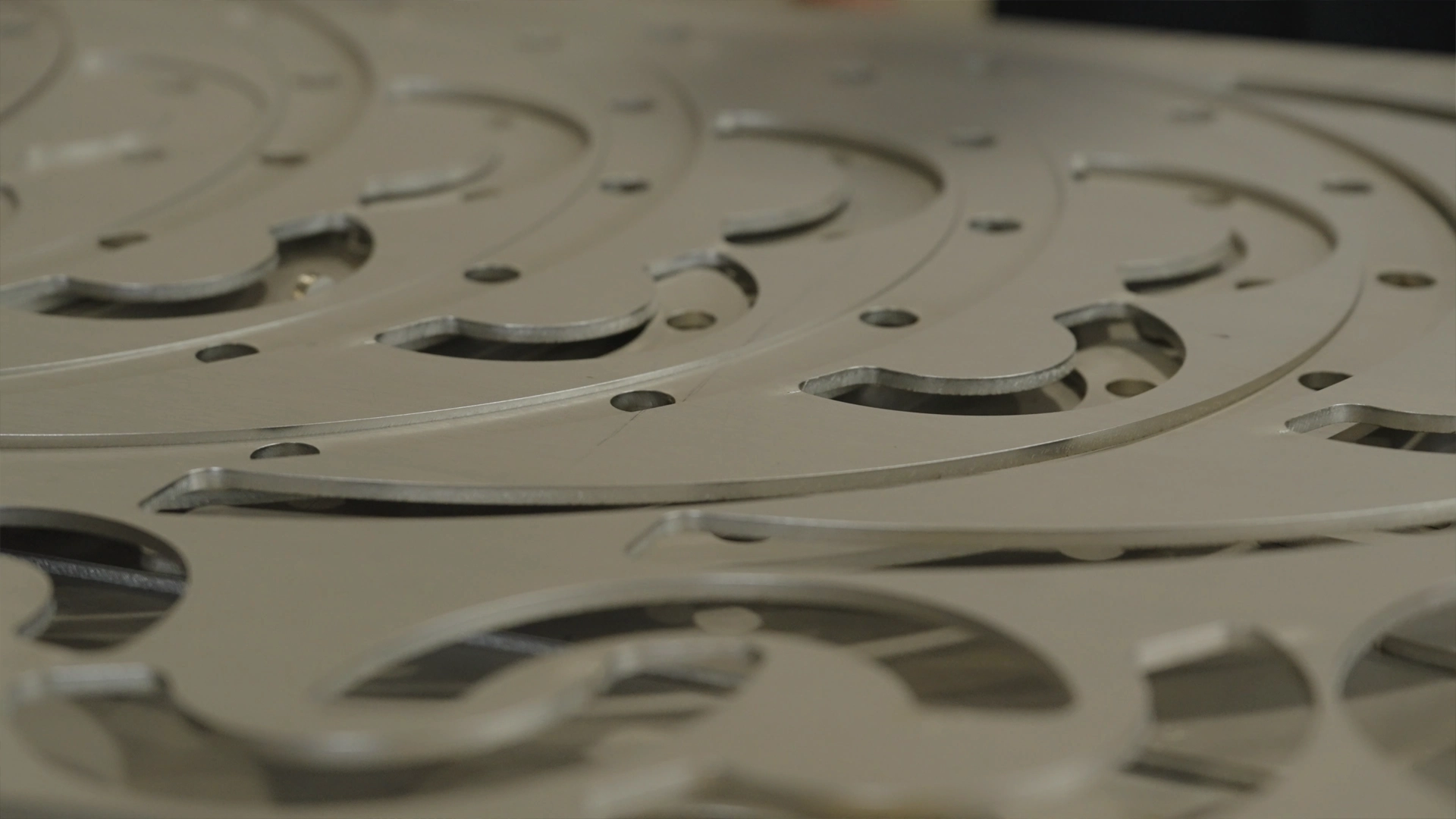
Fiber lasers use a solid-state architecture in which light is generated, amplified, and delivered through an optical fiber. This design minimizes energy losses, reduces heat generation, and eliminates many mechanical and optical components found in previous-generation systems.
The result is a cutting process that is:
These characteristics directly translate into higher throughput and lower cost per part.
1. High Electrical-to-Beam Efficiency
Fiber lasers convert a large portion of electrical input power into usable laser output. This high efficiency reduces energy consumption per part and supports cost-effective, high-volume production.
2. Precision and Beam Stability
The laser beam produced by a fiber system maintains consistent diameter, intensity, and focus. This enables tight tolerances, clean edges, and repeatable results, even on complex geometries and intricate details.
3. Non-Contact, Clean Cutting Process
Because material is cut using focused light rather than mechanical force, there is no tool wear and no physical contact with the workpiece. This minimizes contamination and reduces the risk of deformation or distortion.
4. Lower Operating and Maintenance Costs
Fiber laser systems contain fewer wear-prone components and require fewer consumables than many alternative cutting technologies. With reduced maintenance needs and longer service intervals, total cost of ownership remains low over the machine’s lifecycle.
5. High Cutting Speed and Productivity
Fiber lasers can process high-precision parts in very short cycle times. Faster cutting directly increases parts produced per hour, improving machine utilization and shortening lead times.
6. Compact Machine Footprint
The fiber laser architecture allows for compact machine designs that occupy less floor space. This is especially valuable in facilities where manufacturing space is limited or where layout flexibility is critical.
7. Reduced Environmental Impact
High energy efficiency and fast processing times mean less power consumption per finished part. Combined with minimal consumables and reduced waste, fiber laser cutting supports more sustainable manufacturing practices.
When evaluating cutting technologies, manufacturers must consider not only cutting capability, but also long-term efficiency, operating cost, and scalability. Fiber laser systems deliver advantages across all these dimensions.
They allow manufacturers to:
Fiber laser cutting combines speed, efficiency, precision, and reliability in a single technology. By delivering high productivity with low operating costs, it enables manufacturers to remain competitive in demanding industrial environments.
For these reasons, fiber laser cutting has become the preferred solution for sheet metal processing worldwide, and continues to set the benchmark for modern metal fabrication.


