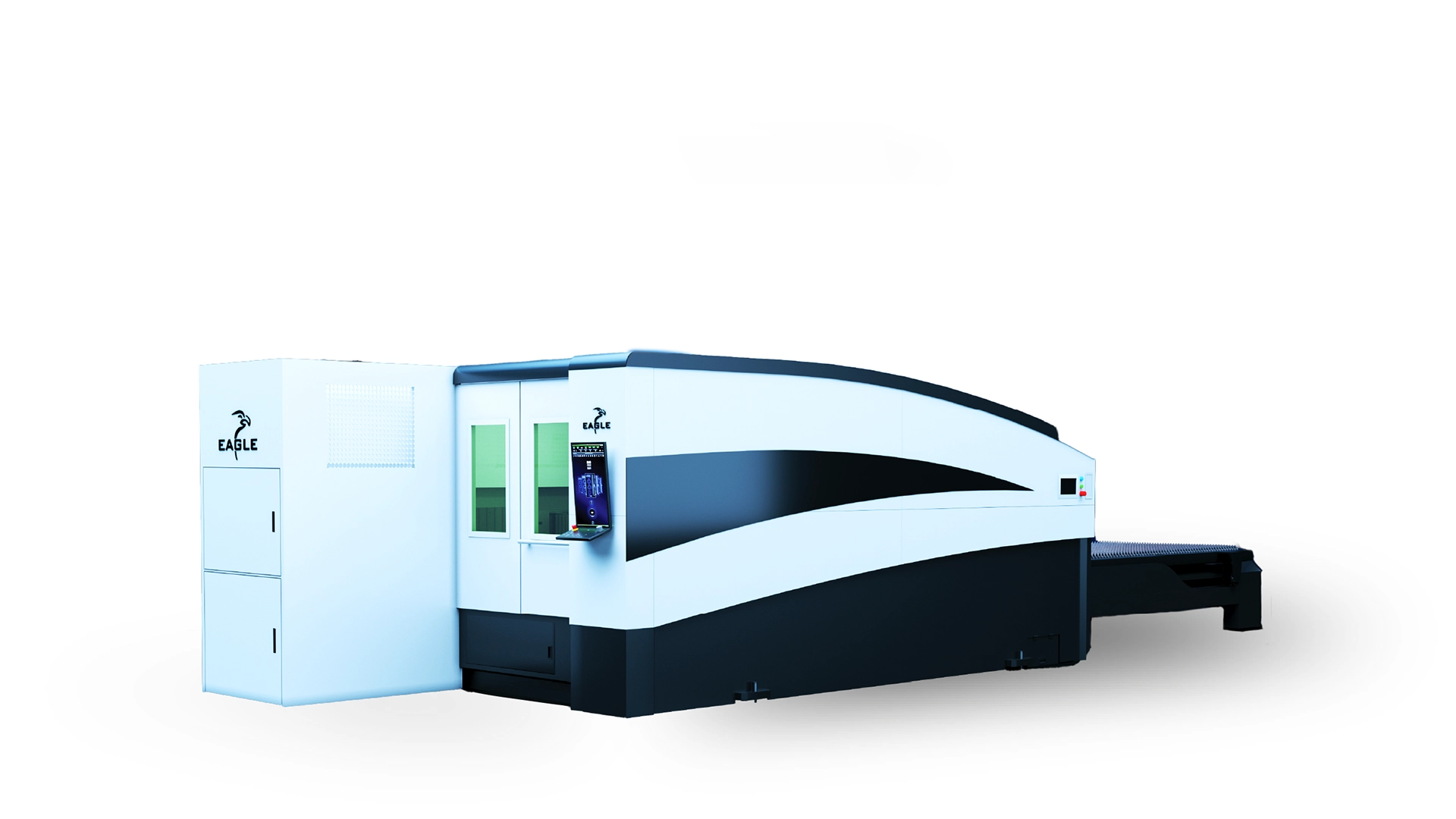
High-power fiber laser cutting plays a central role in modern sheet metal manufacturing. When properly engineered, higher laser power increases cutting speed, production volume, and overall efficiency, while reducing cost per part. The result is not only higher throughput, but measurable improvements in profitability.
Since 2006, Eagle has pursued a clear objective: achieving unmatched efficiency in laser cutting systems so manufacturers can produce more in less time. Laser power has always been a key part of this strategy—not as an isolated specification, but as a practical lever for improving real production economics.
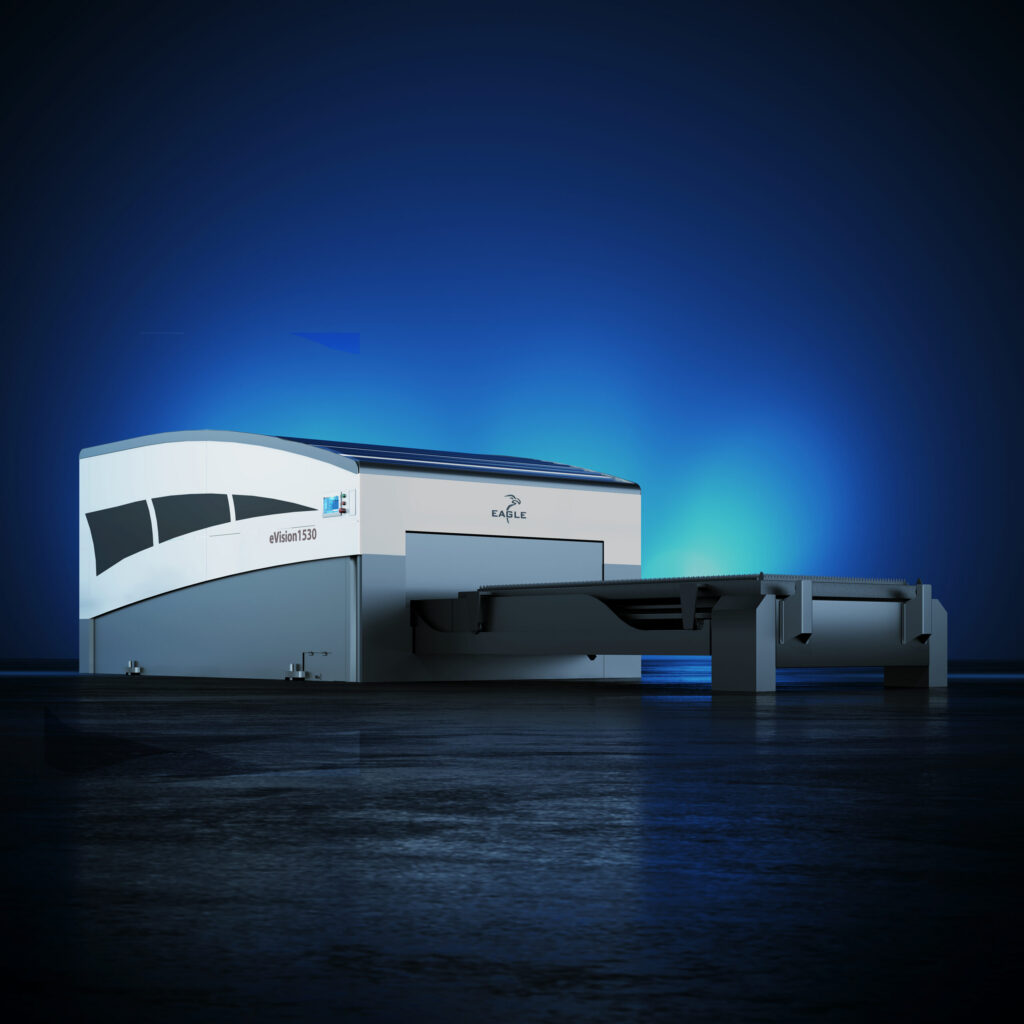
Higher laser power allows material to be cut faster, particularly on medium and thick sheet metal. Faster cutting reduces cycle time per part, enabling more parts to be produced per hour.
When paired with advanced motion dynamics and automation, higher power leads to:
In industrial production, these gains directly translate into higher profitability.
Higher power increases productivity only if the machine can fully exploit it. Without sufficient acceleration, positioning speed, and motion stability, much of the available power remains unused.
This is why power alone is not enough. The laser cutting system must be engineered as a whole, with motion dynamics designed to match high power levels.
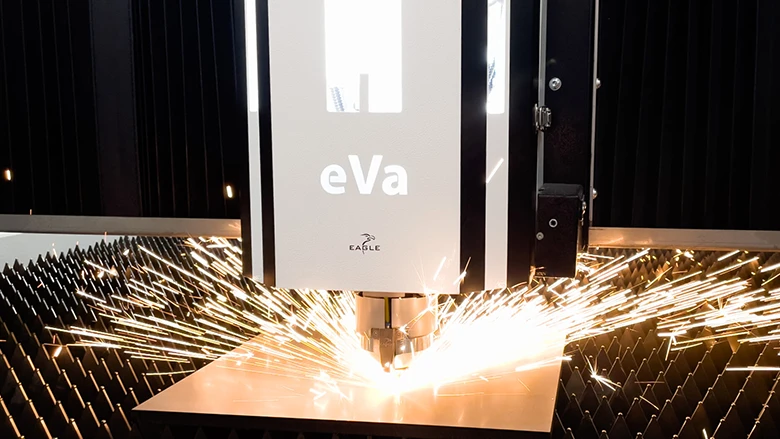
Motion dynamics determine how quickly and accurately the cutting head can accelerate, decelerate, and follow the programmed toolpath.
In high-power fiber laser systems, advanced dynamics are essential to:
Eagle laser cutting machines are engineered with acceleration up to 6G, positioning speeds up to 340 m/min, and cutting speeds reaching 150 m/min. These parameters allow the laser to operate at its true cutting capacity, even at extreme power levels.
As laser power increases, cutting speed rises in an almost linear manner for many applications, especially on medium and thick mild steel.
Higher cutting speed results in:
Over time, these improvements add up, significantly increasing total production output.
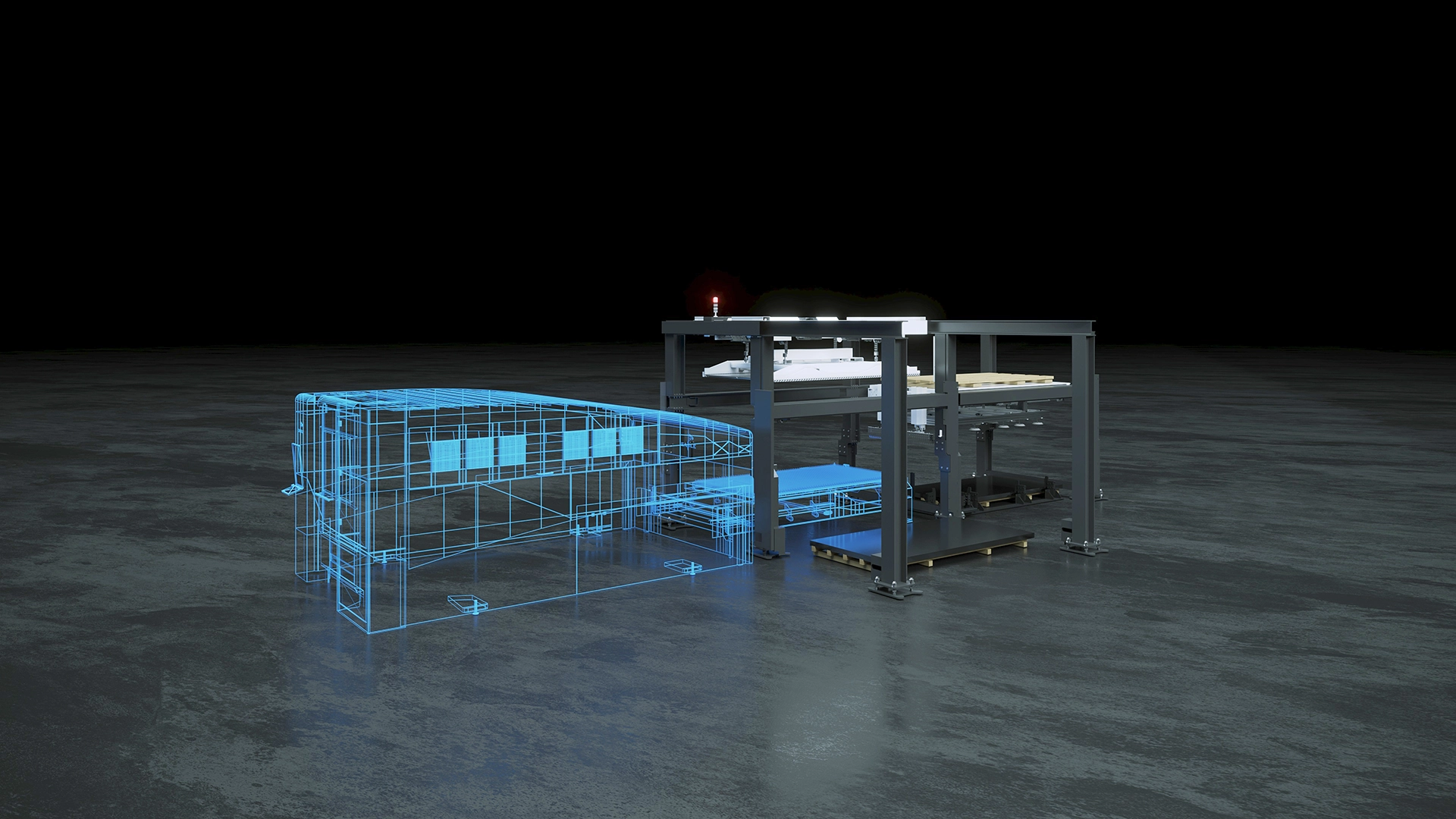
At high cutting speeds, material handling can become the bottleneck. Automation systems are therefore critical to maintaining productivity.
Automated loading, unloading, and pallet changing allow:
By keeping the machine cutting instead of waiting, automation ensures that high-power systems deliver their full economic potential.
Higher productivity does not mean higher operating costs. In practice, cutting more parts in shorter cycles improves the efficiency of energy and consumable usage.
Key effects include:
As fixed costs are distributed across a larger number of finished parts, the cost per part decreases—even as power levels rise.
To clearly illustrate the impact of laser power, the same 15 mm mild steel part was cut using power levels ranging from 4 kW to 40 kW.
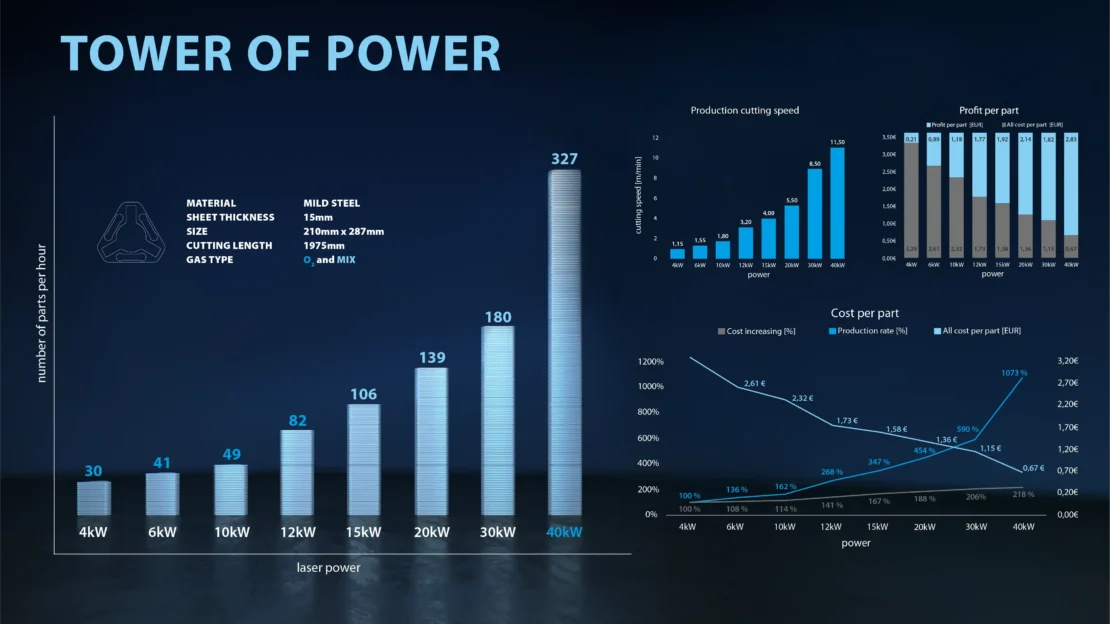
The comparison shows:
This demonstrates that, when supported by advanced motion control and automation, higher laser power delivers both technical and financial advantages.
High laser power, advanced motion dynamics, and fast material handling must work together as a unified system. When they do, cutting speed is transformed into higher throughput, lower operating costs, and improved profitability.
In practical terms, higher power is not just a performance metric, it is a strategic tool that converts production speed into measurable economic value.


