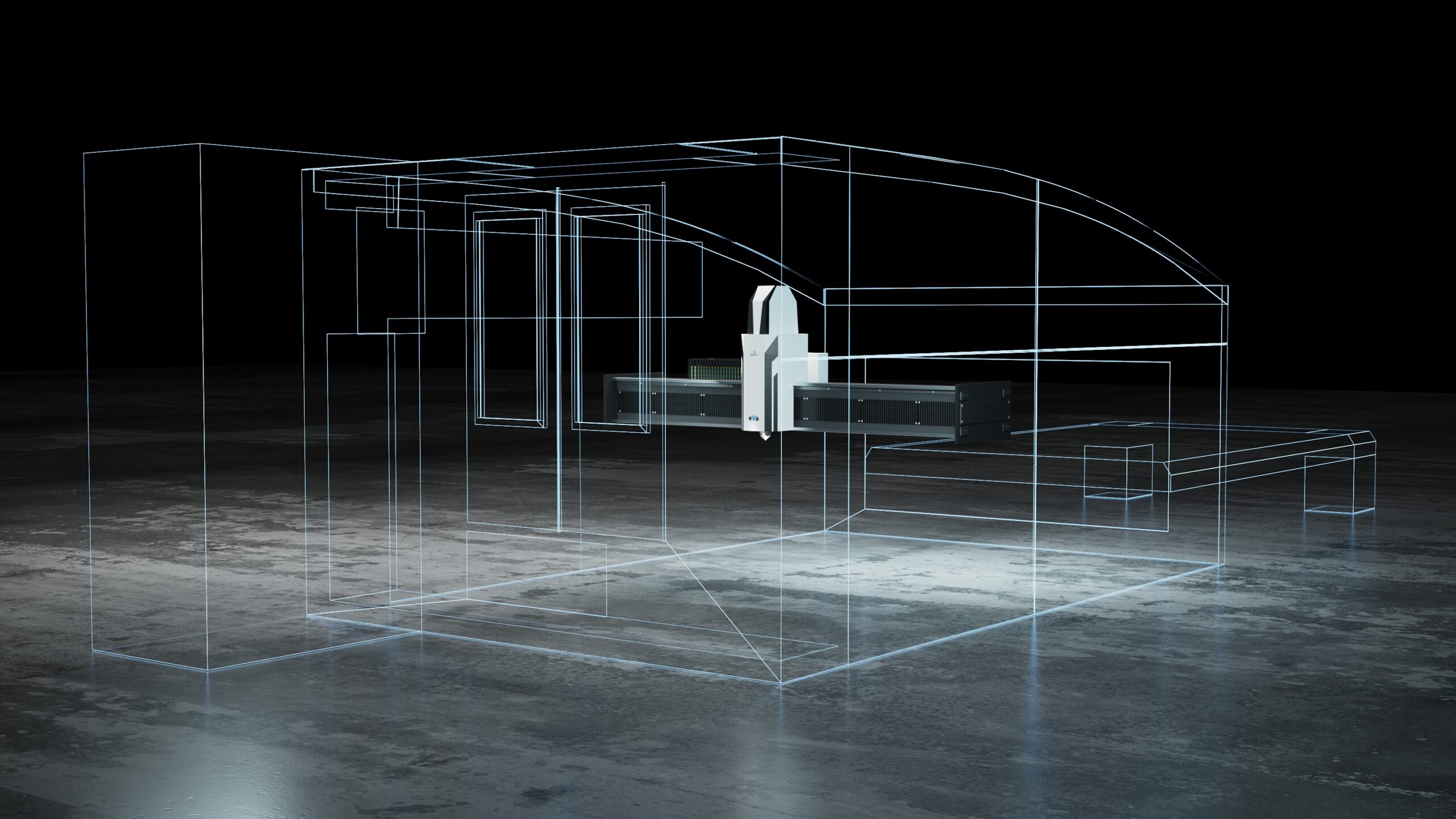
From its very beginning, Eagle was founded with a single, clear purpose: to design and build the highest-performing fiber laser cutting machines from the ground up. The company did not evolve from former laser technologies, nor did it adapt existing machine platforms to fiber lasers. Instead, Eagle was born as a fiber laser manufacturer, with machine design centered entirely on the requirements of modern, high-performance fiber laser cutting.
This approach is embodied in what Eagle calls the Ideal Machine Concept, the foundation on which every Eagle laser cutting system has been engineered since day one.
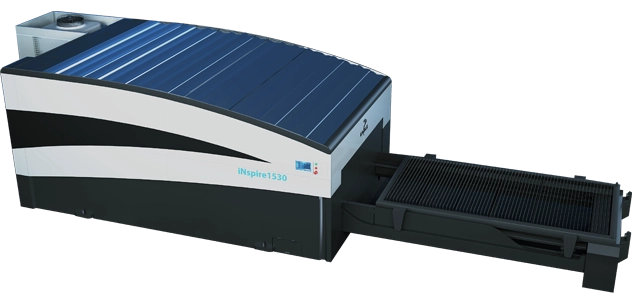
In fiber laser cutting, performance is not determined by isolated components. True productivity depends on how power, acceleration, structural stability, motion control, and precision interact as a complete system.
Eagle’s Ideal Machine Concept starts from this understanding. Rather than adding higher power sources to conventional machine frames, the entire machine architecture is designed around the realities of fiber laser cutting: extreme acceleration, rapid direction changes, and sustained accuracy at high speed.
This system-level mindset defines how Eagle machines differ from many conventional solutions on the market.
Because Eagle was created specifically to manufacture fiber laser cutters, power and motion dynamics were never treated as optional upgrades. From the earliest designs, machines were engineered to handle high acceleration and high laser power simultaneously.
In competitive production environments, manufacturers are effectively in a continuous race for speed, efficiency, and cost reduction. Eagle machines are designed with this reality in mind, much like a purpose-built racing machine compared to a standard road vehicle: both may reach high speeds, but only one is engineered to sustain them with control and repeatability.
At the core of the Ideal Machine Concept is the machine body itself. Eagle uses a composite structural material rather than traditional steel frames.
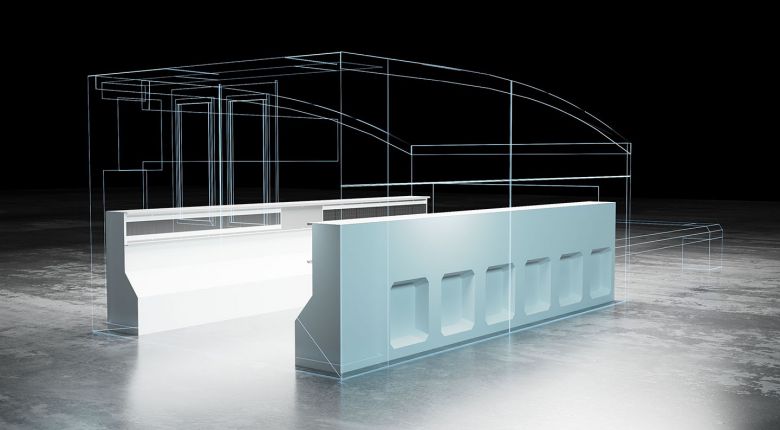
This composite structure provides:
High vibration damping allows aggressive acceleration without compromising cut quality, while thermal stability ensures consistent positioning even during long, high-speed production cycles.
Dynamic performance is strongly influenced by moving mass. To minimize inertia while maintaining stiffness, Eagle machines use a carbon fiber traverse.
This design enables:
The traverse is positioned between the machine’s base structures and driven through its center of mass, ensuring balanced motion and controlled dynamics even at extreme speeds.
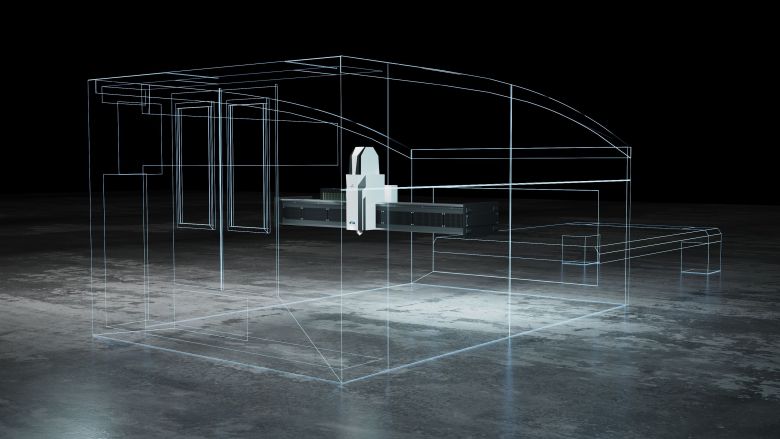
Every axis in an Eagle machine is driven by linear motors. This choice is fundamental to the Ideal Machine Concept.
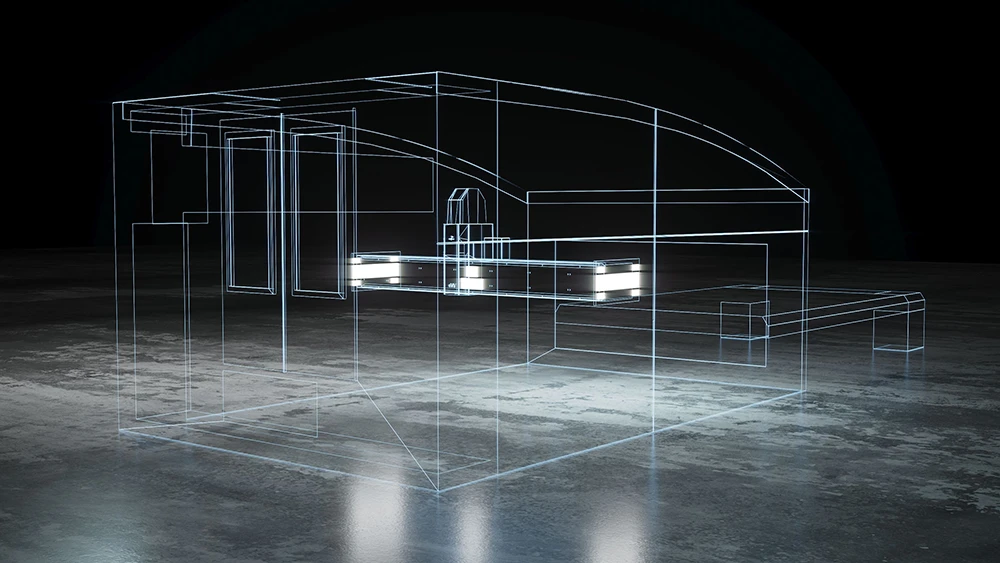
Linear motors deliver:
Because there are no mechanical transmission elements, accuracy and dynamic performance remain stable over time. Machines maintain the same speed and precision years into operation as they did at installation.
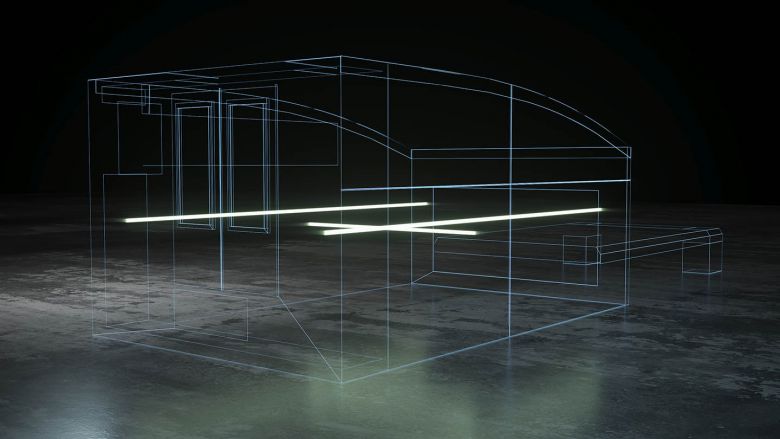
High acceleration requires equally advanced position feedback. Eagle machines use absolute linear encoders to provide continuous, closed-loop positional data.
This enables:
The contactless, wear-free nature of these encoders supports long-term reliability and consistent performance.
Within the Ideal Machine Concept, the cutting head is designed as part of the overall system, not as a standalone component. Eagle has devloped a unique head called the eVa whose patented design focuses on stability, contamination resistance, and serviceability.
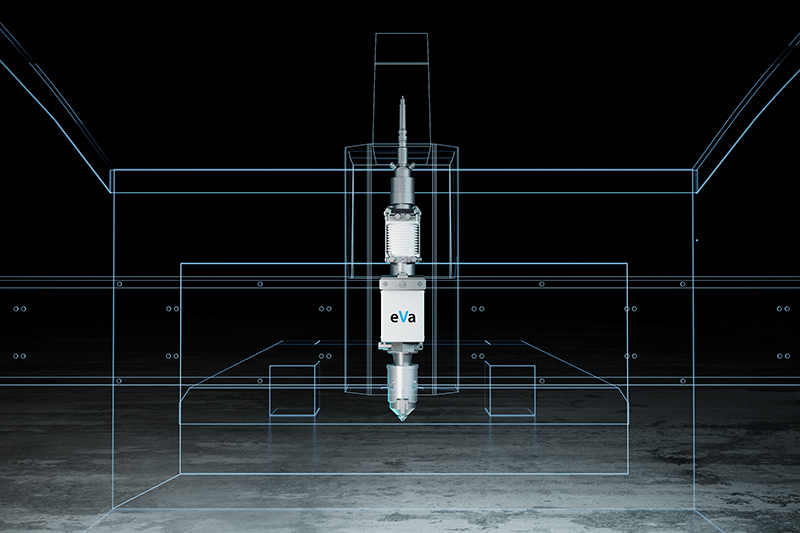
Key principles include:
This ensures consistent cutting quality while minimizing downtime and maintenance intervention.
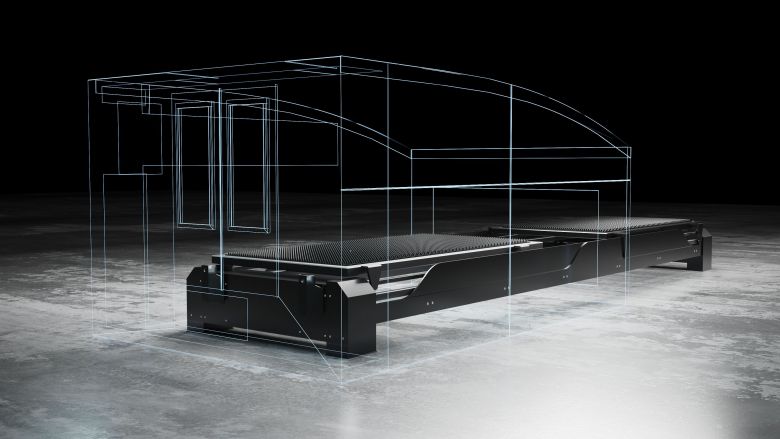
High cutting speed only creates value when non-cutting time is minimized. For this reason, automatic pallet changing is crucial in machine design. Eagle’s innovative hydraulics-free pallet changer is fully integrated into the machine. It completes the exchange in just 9 seconds on the 1530 machine model (1.5 x 3 meters table size), and is significantly faster than all others in the market, even in models with very large tables.
Fast pallet exchange:
By making material exchange part of the core architecture, Eagle machines sustain productivity at high speeds.
Machine design extends beyond mechanics. Eagle integrates software directly into the machine ecosystem to support programming, monitoring, and decision-making.
Integrated software solutions provide:
Software is treated as a productivity tool, not an afterthought.
The Ideal Machine Concept is not focused solely on peak specifications at delivery. It is designed to preserve performance over the entire service life of the machine.
By combining a stable composite structure, unique, intelligently designed components, advanced feedback systems, and integrated diagnostics, Eagle machines are engineered to deliver consistent speed, accuracy, and reliability for decades.
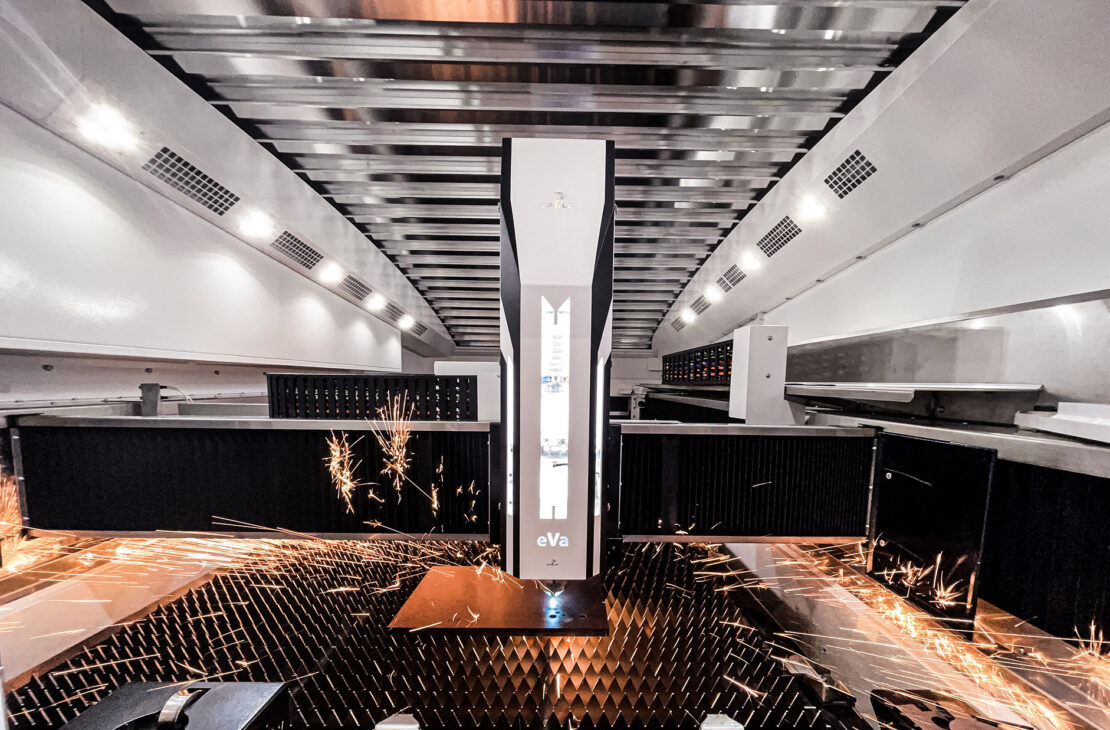
Eagle’s Ideal Machine Concept is more than a design philosophy; it is the foundation on which the company was built. From day one, Eagle has designed fiber laser cutting machines to exploit the advantages of fiber without compromise or legacy constraints.
By engineering every element around power, dynamics, and long-term stability, the Ideal Machine Concept transforms laser power into sustainable productivity, precision, and economic value, defining what a modern, peak-performing fiber laser cutting machine should be.


